

1-Hexene
Methacrylonitrile
Methacrylaldehyde
1.2-Hexanedio
Chloromethyl ethyl e
1.3-Diamino-2-hydrox
Acrylonitrile
Mercury compounds
2.4.4-Trimethyl-1-pe
1-Decene
N.N-Diethyl lsopropy
Di-sec-butylamine
1.1-Dichloroacetone
3-Dimethylaminopropy
N,N-Dimethyl.1.2.eth
1-Heptene
4-Methylstyrene
2-chloro-1.3 butadle
N.N Diethylethylened
1-Dodecene
2-Ethylhexanal
Chloromethyl carbono
2.2- Difluoroethanol
1- Octene
1.1.1-Trichloroethan
CONTACT US

Jiande Langfeng Chemical Co., Ltd
Address: No. 76, wanggeng Road, Xin'anjiang street, Jiande City, Zhejiang Province
Contact: Mr.Ye or Miss Li
Global Telephone:
0086(571)64725862
Whatsapp: 0086(571)64725862
E-mail: 1016080092@qq.com
zjjdxlhx@163.com

Scan to add business WeChat

Scan to enter the company's official website
Mercury compounds
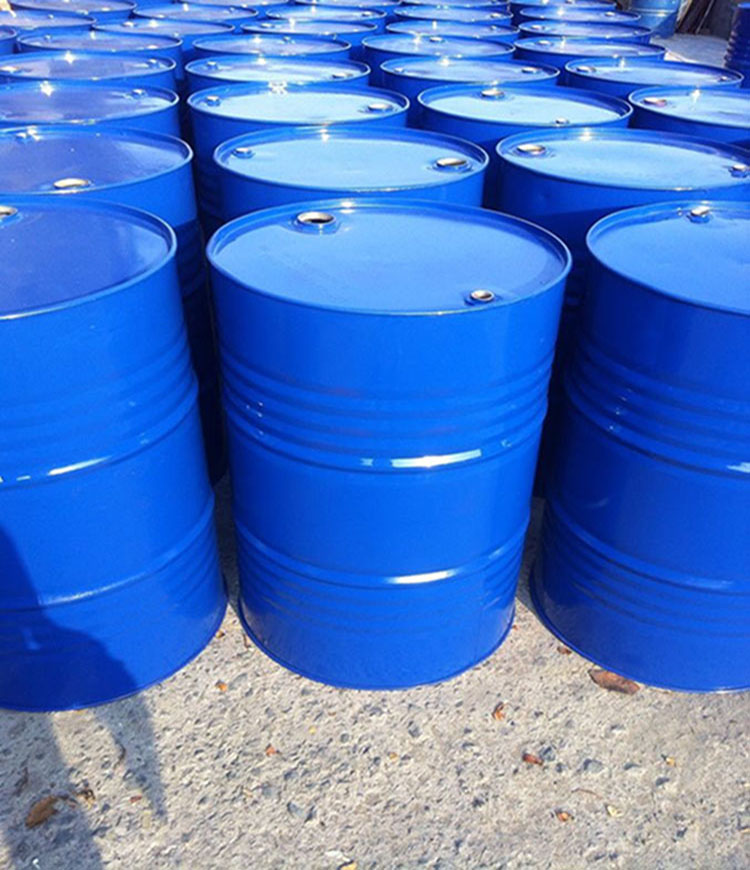
Mercury compounds(CAS NO:7484-94-7)
Properties: Mercury and its compounds are extremely toxic, easily causing poisoning through skin absorption or inhalation of dust. Mercury also volatilizes and pollutes the environment. Mercury's common valences are +1 and +2. The only +4 compound is mercury tetrafluoride (HgF₄). Oxygenates of divalent mercury (such as HgO and HgSO₄) completely ionize in solution. Sulfides (such as HgS) and halides (such as HgCl₂) are unreactive with water, air, or dilute acids and bases. Mercury can dissolve many metals (such as gold and silver) to form amalgams (Hg-X), but it does not react with iron. At room temperature, mercury readily reacts with elemental sulfur and copper to form stable compounds. Sulfur is often used in laboratories to treat mercury leaks. Upon heating, it reacts with oxygen to form mercuric oxide (HgO), but it does not oxidize at room temperature. Mercury and its compounds are often highly toxic, especially mercury vapor (a chronic toxicant) and some organic mercury compounds.
Uses: Mercury-silver alloys (such as amalgam) are used to fill cavities. Some mercury compounds (such as mercuric nitrate) have antibacterial properties and were once used to treat scabies and other diseases. Cinnabar (mercury sulfide) is used in traditional medicine to treat ulcers and scabies. It serves as the mercury cathode in the electrolytic production of chlorine and caustic soda (a core step in the chlor-alkali industry). It is used as a catalyst or preservative, for example, in the extraction of mercury from chlorosulfur mercury mines for chemical synthesis. It is also used in the manufacture of mercury vapor lamps, barometers, and thermometers (such as mercury thermometers). It is also used as an electrode material in electrolytic cells and electronic devices. Mercury fulminate (Hg(CNO)₂) is used in the manufacture of explosives such as detonators. The amalgamation process is used to extract precious metals such as gold and silver. Mercury sulfide (cinnabar) is a high-purity red pigment used in ink and cosmetics. It is also used as a coolant (requiring special handling to reduce toxicity risks).